
Key Takeaways
- Consistency matters. Clear policies and thorough tenant screening help prevent costly issues before they start.
- Plan for the unexpected. Setting the right rent and maintaining emergency funds can protect your rental property's long-term profitability.
- Know when to ask for help. Professional property management can save time, reduce stress, and help safeguard your investment.
Many real estate investors choose to manage their own rental properties to reduce costs and maintain direct control over their investment. From selecting tenants to coordinating repairs, self-management puts every decision in the owner's hands.
What many first-time landlords don't expect is how quickly small oversights can become expensive problems. By recognizing common mistakes early, you can protect your investment, improve tenant relationships, and build a more successful rental business.
Keep on reading this blog by InterWest Properties to learn more about becoming a DIY landlord.
1. Making Exceptions Without Clear Boundaries
Many DIY landlords want to be accommodating, but making frequent exceptions can weaken the consistency of lease enforcement.
For example, allowing one resident extra time to pay rent without documenting the arrangement may encourage similar requests from others. Over time, enforcing the lease becomes more difficult because expectations have changed.
Clear lease agreements, written communication, and consistent policies help create fairness for every tenant while making future decisions easier.
2. Letting Vacancy Pressure Influence Tenant Selection
Vacancies create financial pressure, making it tempting to approve an applicant as quickly as possible.
However, skipping employment verification, rental references, or other legally permitted screening steps can create larger problems than a few additional weeks without rent.
Waiting for the right tenant is often less expensive than dealing with missed payments, lease violations, or another vacancy soon after move-in.
Careful screening also gives you greater confidence that the tenant is financially prepared and understands the responsibilities of renting your property.
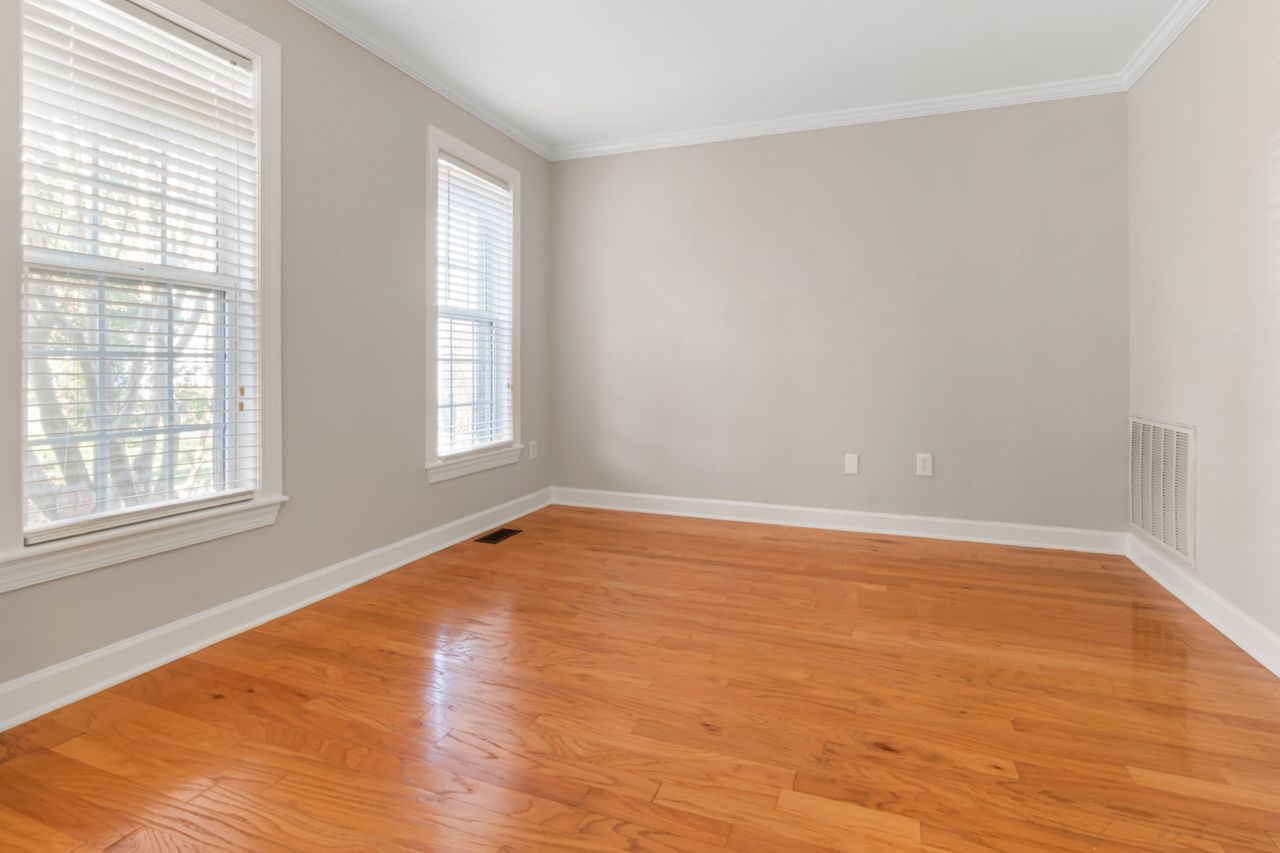
3. Setting Rent Without a Clear Pricing Strategy
Pricing affects more than rental income, it also influences who applies for your property. Instead of relying only on active listings, compare recently rented homes with similar size, condition, location, and amenities.
Reviewing local demand and seasonal trends can also provide a more realistic picture of current market conditions.
A competitive rental rate attracts qualified applicants while helping reduce unnecessary vacancy. Balancing occupancy with long-term profitability often produces better results than simply pursuing the highest possible rent.
4. Failing to Prepare for Unexpected Expenses
Not every expense appears in your monthly budget. A failed water heater, storm damage, rising insurance premiums, or other unexpected repairs can quickly affect cash flow. Without reserve funds, landlords may delay maintenance or make rushed financial decisions.
Maintaining an emergency reserve provides flexibility while helping preserve the property's condition. It also allows you to address repairs promptly, supporting tenant satisfaction and protecting your property's long-term value.
5. Relying on Incomplete Tenant Screening
No single screening criterion tells the whole story. A strong income or credit score doesn't automatically predict how someone will perform as a tenant.
Effective screening combines employment verification, rental history, references, and any legally permitted background or credit reports to build a more complete picture.
Taking the time to evaluate multiple factors can significantly reduce the likelihood of future payment problems, lease violations, or costly turnover.

6. Overlooking Your Legal Responsibilities
Owning a rental property also means understanding the legal responsibilities that come with it. Lease agreements, fair housing requirements, security deposit rules, notice periods, and eviction procedures all vary by state and local jurisdiction.
Rather than relying on outdated forms or advice from other landlords, take time to understand the requirements that apply to your property. Staying informed helps reduce unnecessary disputes while ensuring your rental operates within current regulations.
7. Ignoring Small Problems Until They Grow
Small issues rarely stay small in rental housing. Whether it's repeated late rent, unauthorized occupants, lease violations, or unresolved maintenance requests, delaying action often allows manageable situations to become more complicated and expensive.
For example, discussing recurring late payments after the first occurrence is generally easier than addressing several months of missed rent. Responding early helps protect both the landlord-tenant relationship and the property's financial performance.
8. Misjudging the Time Self-Management Requires
Collecting rent is only one part of managing a rental property. Advertising vacancies, answering inquiries, coordinating repairs, reviewing applications, maintaining financial records, and responding to tenant concerns all require ongoing attention.
Even one rental property can demand more time than many first-time landlords anticipate.
As your responsibilities grow, staying organized becomes just as important as making good decisions.
Before choosing the DIY approach, consider whether you can consistently devote the time needed to manage the property without affecting your other personal or professional responsibilities.

9. Trying to Reinvent the Wheel
Many first-time landlords try to develop every system through trial and error. While experience is valuable, creating every process from scratch can lead to avoidable mistakes and inconsistent results.
Established practices for tenant screening, property inspections, maintenance coordination, recordkeeping, and lease administration can make rental operations more efficient.
Learning from trusted industry resources or experienced professionals allows landlords to build reliable systems without repeating mistakes others have already solved.
Developing practical workflows early often saves time, reduces stress, and creates greater consistency as your rental business grows.
10. Knowing When to Delegate
Self-management doesn't have to be an all-or-nothing decision. Some landlords prefer to stay involved while outsourcing specific responsibilities such as tenant placement, maintenance coordination, or rent collection.
As your portfolio grows or your schedule becomes busier, delegating routine tasks can free up time for broader investment decisions.
Professional property managers also bring established procedures, local market knowledge, and reliable vendor networks that help rental operations run more efficiently.
Choosing professional support isn't necessarily about avoiding responsibility. For many landlords, it's a practical way to protect their investment while focusing on long-term financial goals.
The Bottom Line
Owning a rental property inevitably comes with vacancies, repairs, tenant concerns, and unexpected challenges. The difference is that prepared landlords rely on clear systems and consistent decision-making instead of reacting under pressure.
By approaching self-management with planning, organization, and realistic expectations, you can reduce costly mistakes while creating a better experience for both yourself and your tenants. Preparation prevents many costly mistakes.
If you'd like help marketing your rental, screening applicants, preparing lease agreements, coordinating maintenance, or managing your property, contact us today.
As an experienced property management team, InterWest Properties can help protect your investment while simplifying every stage of rental ownership. Contact us today!