Key Takeaways
- Proper rental property preparation helps attract qualified tenants, reduce vacancy time, and prevent future maintenance issues.
- Completing inspections, repairs, cleaning, and system testing before listing creates a better tenant experience and protects your investment.
- Strategic improvements, strong curb appeal, and competitive pricing can make your property stand out in a competitive rental market.
Preparing your property for a new tenant is one of the most important steps in maintaining a successful rental. A well-prepared unit not only attracts more interest but also helps reduce vacancy time, minimize maintenance issues, and set clear expectations for incoming tenants.
Turnovers can feel overwhelming, especially when there are multiple tasks to complete at once. Having a structured approach ensures that every detail is addressed before the property is listed and shown to prospective renters.
In this guide by InterWest Properties, we’ll go over twelve essential tips to help you get your property ready to rent.
1. Start Marketing Early
Vacancy time directly affects your income, so it is important to begin marketing as soon as you know the property will be available.
Prepare high-quality photos and a clear listing that highlights the property’s best features. Share the availability through multiple channels and let your network know the unit is opening up.
Early marketing builds momentum and increases your chances of finding qualified tenants quickly.
2. Conduct a Thorough Property Inspection
A vacant property gives you the opportunity to inspect every area without restrictions. Walk through the entire unit and check for damage, wear, or safety concerns. Pay close attention to plumbing, electrical systems, HVAC, and structural elements.
A detailed inspection helps you identify what needs to be repaired or improved before listing the property.
3. Repair or Replace Damaged Items
After identifying issues, address anything that is broken or no longer functioning properly. This includes appliances, fixtures, windows, locks, flooring, and lighting. Replacing worn or outdated items improves both the appearance and functionality of the property.
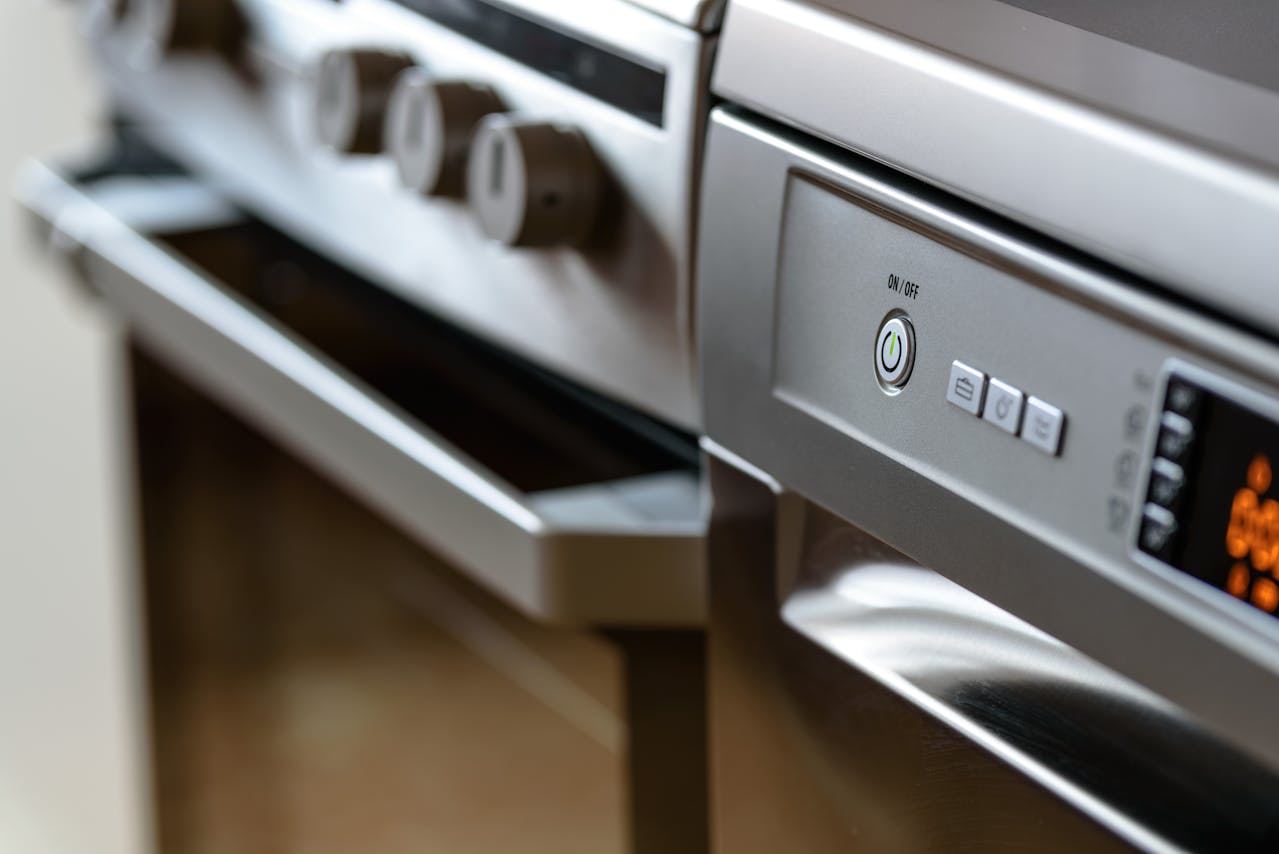
Completing repairs and renovations before listing reduces maintenance requests and creates a better experience for tenants.
4. Complete a Move-Out Walkthrough
A move-out walkthrough helps you evaluate the property’s condition after the previous tenant leaves.
Compare the current state with your move-in documentation to identify any damage beyond normal wear and tear. Document findings carefully and keep records of repairs.
This process supports fair handling of security deposits and helps maintain consistency.
5. Deep Clean the Property
Cleanliness has a strong impact on how prospective tenants view your property. Focus on all areas, including kitchens, bathrooms, floors, windows, and storage spaces. Pay attention to details such as baseboards, cabinets, and appliances.
Professional cleaning services can provide a more thorough result, especially after heavy use. A clean unit feels move-in ready and creates a positive first impression.
6. Rekey or Replace Locks
Security should always be addressed between tenants. Rekey or replace locks on all entry points to ensure that only the new tenant has access. This includes doors, garages, and gates. Providing a secure environment builds trust and sets the tone for the new tenancy.
7. Make Strategic Improvements
Vacancy periods are the best time to complete upgrades without disrupting tenants. Simple improvements such as repainting walls, updating fixtures, and improving landscaping can increase appeal.
Larger upgrades, such as new flooring or layout changes, can also be completed more efficiently during this time. Well-planned improvements can increase rental value and attract more interest.
8. Address Mold and Moisture Issues
Moisture problems can lead to mold, which affects both safety and habitability. Inspect areas where moisture is common, such as bathrooms, kitchens, basements, and laundry areas. Address any signs of mold immediately.
Keeping the property dry and well-maintained helps prevent long-term damage and ensures a healthier living environment.
9. Test Major Systems
Before listing the property, make sure all major systems are functioning properly. Test heating and cooling systems, check plumbing for leaks and pressure issues, and inspect electrical systems.
Replace air filters and ensure thermostats are working correctly. Reliable systems improve tenant satisfaction and reduce the risk of early maintenance requests.
10. Handle Pest Control
Pest issues can quickly discourage potential tenants. Inspect the property for signs of rodents, insects, or other infestations. If pests are present, address the issue before listing the unit.
Preventive measures such as sealing entry points and maintaining cleanliness can help avoid future problems.
11. Improve Curb Appeal
The exterior of your property is the first thing prospective tenants see. Maintain landscaping, clean walkways, and ensure outdoor lighting is working properly.
Small improvements such as repainting the front door or adding plants can make a noticeable difference. Strong curb appeal helps attract more interest and encourages showings.
12. Set a Competitive Rental Price
Pricing plays a key role in how quickly your property is rented. Research comparable rentals in your area and consider your property’s condition, features, and location.
Setting a competitive price helps attract qualified tenants while minimizing vacancy. Accurate pricing ensures your property remains attractive in the market.

Common Mistakes to Avoid
Rushing the preparation process can lead to avoidable problems. Listing a property before repairs are complete can reduce tenant interest and create a negative impression.
Ignoring small issues may result in larger and more expensive repairs over time. Failing to test systems or complete proper cleaning can also affect tenant satisfaction.
Taking the time to prepare thoroughly helps prevent these issues and supports a smoother leasing process.
Why Preparation Is Important
Preparing your property properly sets the foundation for a successful tenancy. A well-maintained and clean property attracts better tenants, reduces maintenance issues, and encourages longer lease terms.
It also shows that the property is professionally managed and worth taking care of. Good preparation leads to better long-term results and a more stable rental experience.
The Role of Property Management
Managing the preparation process requires coordination, time, and attention to detail. A professional property management company can oversee inspections, coordinate repairs, manage cleaning, and handle marketing.
This ensures that the property is fully prepared before listing. InterWest Properties helps property owners streamline this process and maintain properties in strong condition.
Final Thoughts
Getting your property ready to rent involves more than just basic cleaning and repairs. Each step, from inspection to pricing, plays a role in attracting the right tenants and protecting your investment.
If you want support in preparing and managing your rental property, InterWest Properties can help ensure your property is ready to perform at its best.