Key Takeaways
- Create clear communication procedures so residents always know how to report issues, ask questions, and receive updates throughout the tenancy.
- Set financial expectations before move-in by reviewing rent, fees, utilities, and payment policies to reduce confusion and disputes.
- Keep tenants informed throughout the maintenance process, especially when repairs take longer than expected or require multiple vendors.
- Follow consistent, well-documented processes for property access, lease enforcement, renewals, and household changes to protect your investment and strengthen resident relationships.
Tenant relationships improve when landlords remove uncertainty. Residents should know how to report a leak, when a contractor will arrive, why a charge appeared, and what happens when the lease ends.
That predictability matters in Vancouver, where renters may include commuters, professionals, families, retirees, and remote workers.
Their schedules differ, but most expect clear information, maintenance, and respectful treatment. Dependable systems reduce disputes, encourage renewals, and protect the property. In this article, InterWest Properties will cover how to have a better relationship with your tenants.
1. Give Tenants a Communication Map
Tell residents where to send questions, maintenance requests, payment concerns, and emergency reports. Explain response times and which situations require emergency services.
A phone call may resolve a question quickly, but a follow-up email preserves the decision and gives both parties a reliable reference.
If a repair appointment changes, notify the resident rather than relying on the vendor. Provide the new date, arrival window, and any preparation required. Clear responsibility prevents missed visits.
2. Explain the Financial Rules Before Money Is Due
Before move-in, review the rent, due date, payment methods, deposits, utilities, parking, pet-related costs, and lawful fees. Tenants should understand what they owe without searching several documents.
If a utility is divided among units, explain the calculation. If a concession expires, state when regular rent begins. Clarify how account questions and late charges will be handled.

When a problem occurs, refer to the lease and payment record instead of relying on memory. Calm, specific information keeps a financial conversation focused on the account rather than becoming personal.
3. Let Residents See the Repair Process
Tenants may become dissatisfied when maintenance is underway but updates are missing. Acknowledgment shows that the request has entered a defined process.
When parts must be ordered or several vendors are involved, provide a timeline and update the resident if circumstances change. If a dishwasher component will not arrive until the following week, confirm delivery, the appointment, and temporary instructions.
After completion, ask whether the problem was resolved. A closed invoice does not guarantee the repair worked, and follow-up can prevent another call.
4. Treat Moisture Reports as Early Warnings
Vancouver's wet periods make water management important. Small signs can reveal roofing, plumbing, drainage, or ventilation problems before costs increase.
Encourage tenants to report stains, condensation, musty odors, overflowing gutters, slow drains, and damp areas promptly. Explain proper ventilation and identify resident responsibilities stated in the lease.
Investigate the source rather than covering visible damage. Repainting accomplishes little if roof flashing or plumbing continues to leak. Prompt attention protects the building and shows that resident concerns receive serious consideration.
5. Make Every Entry Purposeful
Washington requires at least two days' written notice before nonemergency entries and at least one day when showing the home to prospective or actual tenants or buyers. Entry must occur at reasonable times, and access cannot be used to harass residents.
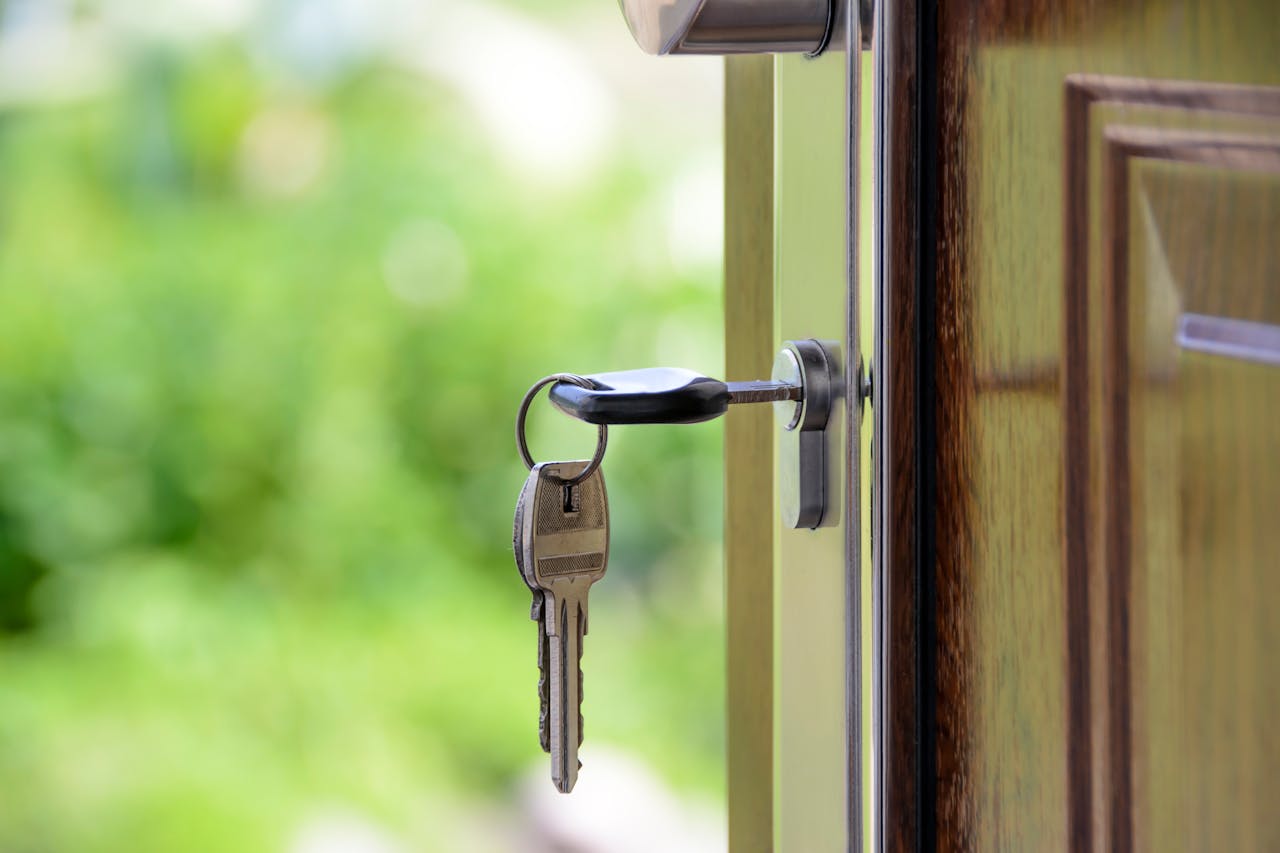
State the date, approximate time, purpose, and expected visitors clearly. Avoid broad windows that require someone to rearrange an entire day. Notify the resident if the appointment changes.
Completing an inspection, alarm test, and filter replacement during one properly noticed visit is less disruptive than several entries. Respectful scheduling recognizes the rental as the resident's home.
6. Create a Process for Household Changes
Residents should know how to request approval for another occupant, replacement roommate, pet, or other lease-covered change.
Informal arrangements should not replace screening, written approval, and updated records. When one roommate relocates for work, the remaining tenant should not simply transfer the key to a friend.
A defined process protects the owner while simplifying transitions. Apply lawful standards consistently, explain documents, and confirm decisions in writing. Personal familiarity should not determine who applies or signs the agreement.
7. Correct Lease Problems With Specific Facts
When addressing parking, noise, unauthorized alterations, or missed payments, identify the date, conduct, lease provision, and required correction. Allow the resident to explain or comply.
Keep notices, photographs, and responses. Use neutral language and avoid unsupported threats. For formal enforcement, follow Washington requirements and obtain qualified guidance rather than improvising deadlines or remedies.
8. Discuss Renewal Before It Becomes Urgent
Begin renewal discussions early enough to assess market rent, property performance, planned work, and the tenant's intentions. Explain changes clearly and provide required notices.

Consider the cost of replacing the resident before making a pricing decision. Vacancy, cleaning, repairs, advertising, showings, screening, and administrative work can consume the benefit of an aggressive increase.
A dependable tenant may produce better annual performance than higher advertised rent followed by weeks of vacancy. Early discussions give residents time to evaluate their plans without pressure.
9. Keep Management Standards Current
Maintain leases, inspection records, contacts, vendor information, and compliance procedures. Vancouver began requiring long-term rentals to participate in its registration program in 2026, adding responsibility for owners.
Review procedures whenever regulations, technology, or property conditions change. Provide updated instructions when payment systems, emergency contacts, entry methods, or maintenance processes are replaced.
Organized management reduces unanswered questions and demonstrates responsible oversight. Review resident documents annually so outdated phone numbers, fees, policies, or instructions do not create confusion during urgent situations.
Turn Reliability Into Better Retention
Landlords do not need frequent contact with tenants to build productive relationships. They need clear financial terms, dependable maintenance, respectful access, consistent enforcement, and renewal planning.
These habits reduce friction, support resident confidence, and protect long-term rental performance. They make difficult conversations easier because both parties understand the process and expectations.
Partner with an experienced Vancouver property management team to oversee communication, repairs, documentation, compliance, household changes, and renewals.
Contact InterWest Properties today to improve the resident experience while protecting the value, income, and performance of your Washington rental.
Frequently Asked Questions
What Is The Best Way To Handle Maintenance Communication?
Owners should acknowledge maintenance requests promptly, explain the next steps, and provide updates whenever timelines change.
If parts must be ordered or a contractor is delayed, keeping residents informed helps manage expectations and demonstrates that the issue is being addressed.
Following up after the repair is complete can also confirm that the problem was resolved properly and identify any remaining concerns before they develop into more expensive repairs.
What Should Vancouver Landlords Know About Entering An Occupied Rental Property?
Washington law establishes notice requirements for most landlord entries into occupied rental properties, and owners should follow the applicable rules before scheduling inspections, maintenance, or showings.
Providing clear written notice with the purpose, expected timeframe, and any changes to the appointment helps minimize disruptions while maintaining professional communication.
When Should I Start Lease Renewal Conversations?
Beginning renewal discussions well before the lease expires gives owners time to evaluate rental market conditions, upcoming maintenance, operating costs, and the resident's future plans.
An early conversation also allows both parties to prepare for potential lease changes without unnecessary pressure.
Property owners can weigh factors such as turnover expenses, vacancy periods, cleaning, marketing, and repairs alongside current market conditions before making renewal decisions.
Should I Hire A Property Management Company To Handle Tenant Relationships?
A property manager may help establish standardized procedures for resident communication, maintenance tracking, inspections, renewals, financial reporting, and regulatory compliance while reducing the owner's administrative workload.
InterWest Properties provides residential property management services throughout the Vancouver, Washington, and Portland metropolitan areas, supporting rental property owners with professional management systems designed to protect their investments.
How Can Landlords Stay Current With Rental Regulations In Vancouver, WA?
Rental housing requirements may change over time through state legislation or local ordinances, making it important to review policies, lease documents, and management procedures regularly.
Property owners who stay informed can update notices, documentation, and operational practices before compliance issues arise.