Key Takeaways
- Being a landlord means more than collecting rent — it includes a legal and ethical duty to maintain a safe, code-compliant property.
- Regular inspections of structure, plumbing, electrical, and HVAC systems can prevent safety hazards and legal trouble.
- Functioning smoke detectors, secure locks, and adherence to local building codes are essential for tenant safety and landlord protection.
- Staying compliant is an ongoing process — plan routine maintenance, stay informed, and consider working with property management professionals.
Being a landlord isn’t just about collecting rent and remembering to fix the occasional leaky faucet. It also means making sure your rental property isn’t a lawsuit waiting to happen.
Once those keys change hands, it means you’re taking on a legal and ethical responsibility to comply with rental safety standards and provide a safe living environment for your new tenant.
Now, these rental safety standards exist to protect tenants, but they can also protect landlords.
A property that’s not up to code can lead to tenant injuries, lawsuits, insurance headaches, or fines that hit harder than a broken HVAC system in August. Not to mention the damage it can do to your reputation as a landlord.
This guide by InterWest Properties will walk you through the essentials: you’ll learn how to assess whether your rental is actually up to code.
We’ll discuss practical steps on how to recognize and handle common safety risks and what you can do to keep your rental property in compliance with both local regulations and industry standards. Let’s get started!
7 Ways To Know if Your Rental Meets Safety Standards
Keeping rental properties in good condition is one of the many responsibilities of any landlord, but it’s arguably the most dreaded.
It’s one thing to carry out simple repairs and renovations when something needs fixing, but sometimes keeping a rental up to code means being proactive enough to fix issues before they even come up.

Here are 7 ways to know if your rental is actually meeting safety standards—and how to fix things if it’s not.
1. Inspect Structural Elements for Stability
Start with the bones of the property. When you walk through your rental, look for any indications of structural damage, such as sagging ceilings, uneven floors, cracked walls, or shaky railings and stairs.
Although these may appear to be cosmetic at first, they may indicate more serious problems and possible safety risks. It doesn’t take much for things to go wrong.
One loose handrail and a slip could land someone in the hospital—and you in court. If something doesn’t feel right, don’t risk it. Bring in a professional to assess the situation before it gets expensive.
2. Confirm All Smoke and Carbon Monoxide Detectors Are Functional
Smoke detectors provide a great deal of peace of mind for a relatively small investment. Most states require landlords to install them in specific locations such as bedrooms, hallways, and near the kitchen.
Beyond installing the smoke detectors, you must test them regularly. Batteries should be changed at least once a year, and expired units should be replaced.
3. Check for Electrical Hazards
Outdated or faulty wiring is one of the leading causes of house fires. Look for flickering lights, warm outlets, or frequent breaker trips.
Old knob-and-tube wiring or a lack of GFCI outlets in kitchens and bathrooms means it’s time to upgrade. Employ a certified electrician to inspect and make repairs that adhere to your local electrical codes.

4. Test Plumbing for Leaks, Pressure, and Safety
Leaky pipes can create water damage and mold. You should ensure that all of your plumbing is in good shape, from your kitchen faucets to the water heater in the bathroom.
Check water pressure and drainage speed, but don’t stop there. You should also confirm that your pipes are free from lead. Tenants deserve clean, safe water.
5. Evaluate Heating, Ventilation, and Air Conditioning (HVAC) Systems
No tenant wants to bundle up indoors during the winter or turn their living room into a sauna during a summer heatwave. If the HVAC system goes down, you are going to hear about it quickly. That’s why it is so important to make sure the ventilation systems are all in good working order.
Replace air filters on a regular schedule and get the system professionally serviced at least once a year. It’s also a good idea to check for proper airflow throughout the property.
Good ventilation does more than keep the air fresh. It also helps prevent mold and mildew, which can quickly turn into a health concern and a legal issue.
6. Ensure Doors and Windows Lock Securely
To keep tenants safe, you also need to keep unwanted guests out. All outside doors should have strong deadbolts that work, and all windows should lock securely but still be easy to open in case of an emergency.

Don’t stop there. Well-lit entryways and clear walking paths can make a big difference, especially at night. A well-secured home reduces the risk of break-ins, helps your tenants feel safer, and can protect you from liability if something ever goes wrong.
7. Review Local Building Codes
Finally, the gold standard: Are you following the law? Every state and often each city has its own set of building codes for rental properties. These rules cover everything from ceiling heights and ventilation to heating systems and pest control.
Don’t make guesses. Take the time to look up the specific requirements for your area. Even better, connect with a local property management professional or inspector who knows the regulations inside and out.
Tips for Staying Compliant With Rental Safety Standards
Once you've brought your property up to standard, the next challenge is keeping it that way. Compliance with rental safety regulations is an ongoing commitment, not a one-time checklist. Some wise practices that will go a long way in keeping your rental up to code include:
- Plan routine maintenance inspections
- Put aside some cash for emergency repairs
- Stay informed on local codes and regulations
- Keep comprehensive records of all repairs
- Work with a property management company
Bottom Line
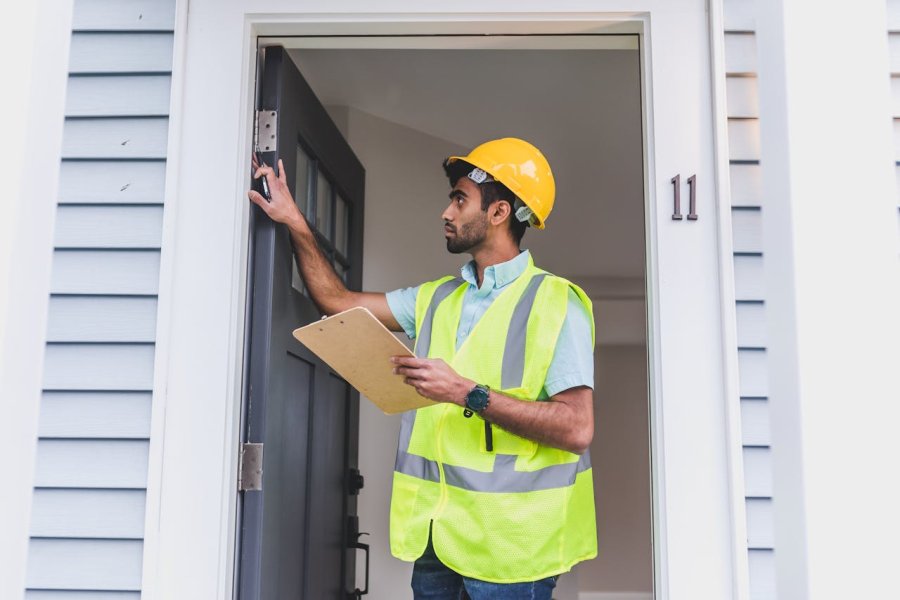
Don’t wait for a complaint or an emergency to reveal that something’s wrong. The first step to knowing whether your rental meets safety standards is to inspect the property.
If you need help getting started or want the peace of mind that comes from having expert eyes on your property, contact InterWest Properties to help manage your rental so it remains safe, compliant, and ready for the next tenant.