Key Takeaways
- Vacancy is a profitability issue, not just a leasing issue. Prolonged vacancies usually signal breakdowns in pricing, operations, or resident experience rather than a lack of demand alone.
- Accurate pricing and preparation reduce downtime. Properties priced to current market conditions and prepared before move-out consistently lease faster and with stronger applicants.
- Resident retention is the most reliable vacancy control strategy. Clear communication, responsive maintenance, and predictable renewals reduce turnover and stabilize cash flow.
- Consistency across systems matters. Efficient turnover, strong listings, streamlined applications, and regular performance tracking work together to keep units occupied.
Vacancy is one of the most direct threats to rental property profitability. Every day a unit sits empty means lost income, additional marketing expenses, and often rushed decisions that can create long-term problems.
While some vacancies are inevitable, prolonged or recurring vacancies are usually a sign that something in the management process needs to be adjusted.
Minimizing vacancy is not just about filling units faster once they are empty. The most successful rental properties reduce vacancy by focusing on pricing accuracy, resident retention, unit readiness, and consistent operations.
Properties that stay occupied tend to follow predictable patterns, including timely renewals, efficient turnover processes, and listings that attract qualified applicants quickly.
Keep on reading this blog by InterWest Properties to learn more about minimizing vacancy rates in your rental properties.
Start by Understanding What Drives Vacancy
Vacancy rarely has a single cause. More often, it results from a combination of pricing misalignment, poor timing, slow unit preparation, or resident dissatisfaction.
Identifying which of these factors is at play helps owners focus their efforts where they will have the greatest impact.
Overpricing is one of the most common contributors. Even a small gap between asking rent and market expectations can significantly slow leasing activity.
Weak listing presentation, outdated photos, or limited exposure can also reduce interest. In other cases, residents leave due to unresolved maintenance issues or lack of communication rather than rent alone.
When vacancy becomes a pattern instead of an exception, it usually signals a need to review the entire rental process rather than relying on marketing alone to solve the problem.
Price Rentals Based on Current Market Conditions
Accurate pricing is one of the most effective ways to control vacancy. Owners sometimes rely on past rent amounts or personal expectations instead of current market data.
While maximizing rent is important, pricing too aggressively often leads to longer vacancies that erase any potential gains.
Strong pricing strategies reflect what qualified renters are willing to pay today, not what the unit earned previously.
Market conditions can shift due to supply, demand, and seasonal changes, especially in competitive rental markets. Regular rent reviews help ensure pricing remains competitive while protecting long-term value.
Making pricing adjustments early is typically more effective than holding out and reducing rent weeks later. Properties priced correctly from the start tend to lease faster and attract stronger applicants.
Retention Is the Most Reliable Vacancy Reduction Tool
Keeping good residents in place is often the most cost-effective way to minimize vacancy. Renewals reduce turnover expenses, eliminate marketing gaps, and create more predictable cash flow.
Residents are more likely to renew when they feel their concerns are addressed promptly and communication is clear. Maintenance responsiveness plays a major role in renewal decisions, as does transparency around rent increases and lease terms.
Simple retention-focused practices can make a meaningful difference, such as:
- Addressing maintenance requests promptly and thoroughly
- Communicating renewal options well before lease expiration
- Keeping rent increases reasonable and well explained
In markets like Vancouver, where renters often have multiple options, resident experience can be a deciding factor in whether someone stays or moves on.

Prepare Units Before They Become Vacant
Vacancy control improves significantly when turnover planning starts before a resident moves out. Waiting until keys are returned to schedule cleaning, inspections, and repairs often adds unnecessary days to vacancy.
Pre-move-out inspections help identify needed repairs early and allow vendors to be scheduled in advance. Having a standardized make-ready checklist ensures units are prepared efficiently and consistently, reducing delays between residents.
Fast, predictable turnover processes are especially important in high-demand areas, where units that are ready quickly tend to lease faster and at stronger price points.
Improve Listing Quality and Visibility
Even well-priced units can sit vacant if listings fail to generate interest. Rental listings are often the first impression a property makes, and weak presentation can significantly limit inquiries.
High-quality photos, clear descriptions, and accurate details help attract qualified renters.
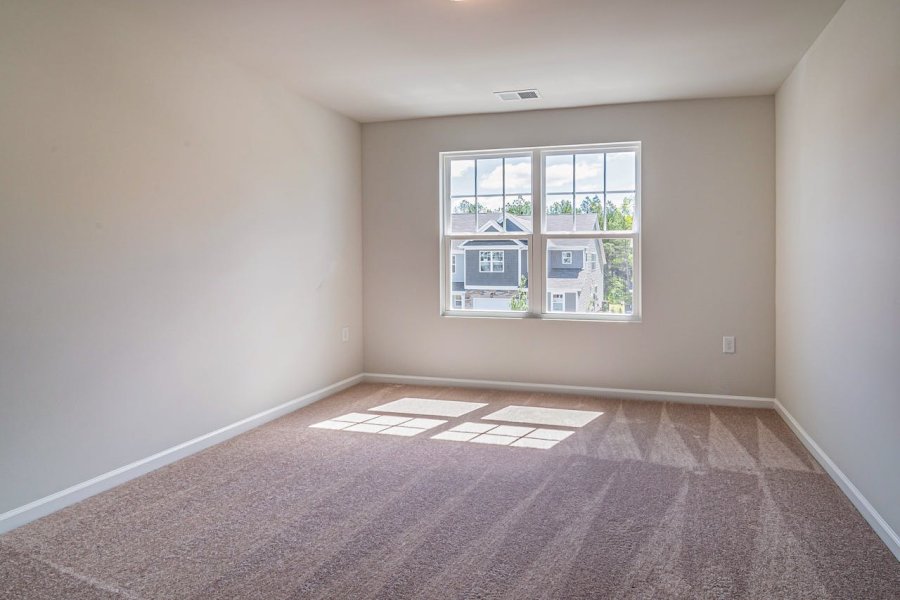
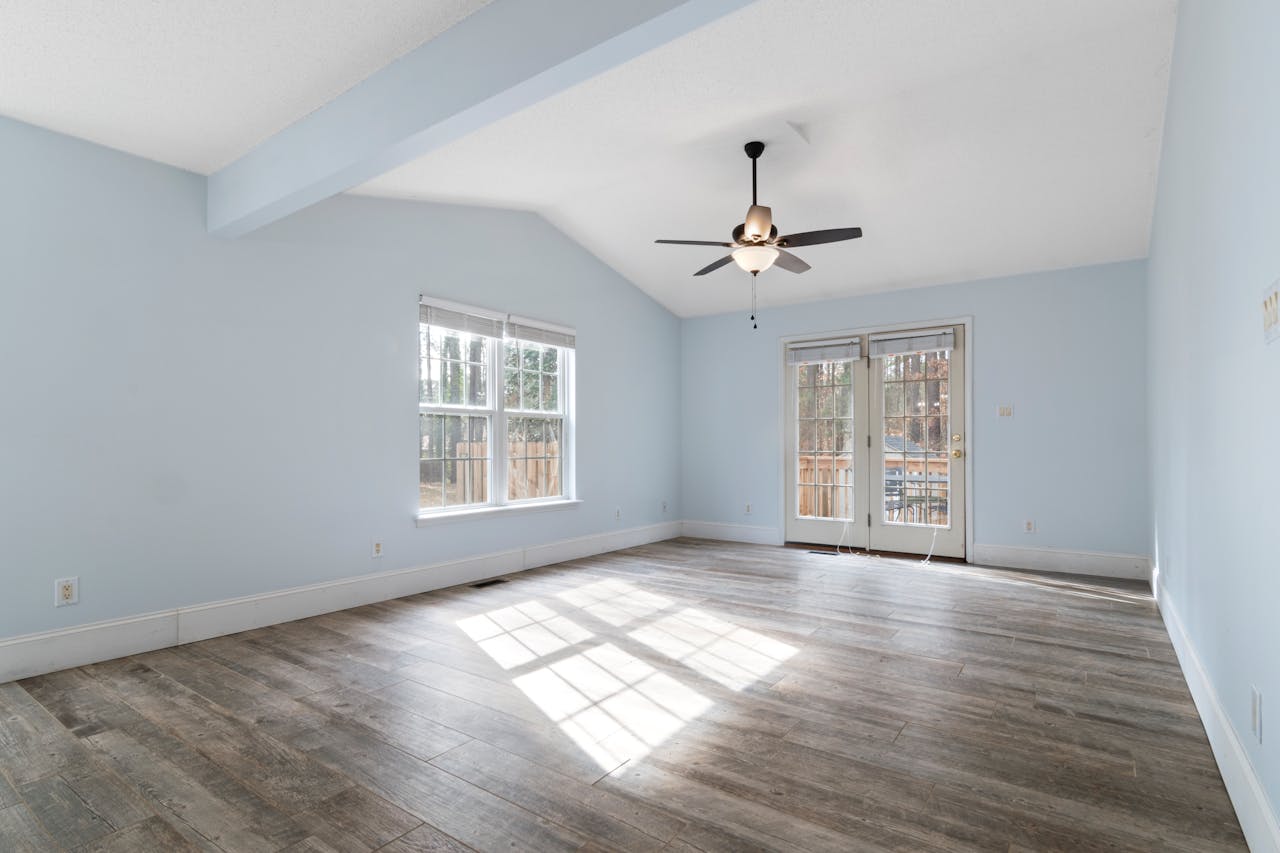
Listings should highlight features that matter most to today’s renters, such as layout, natural light, storage, and proximity to amenities.
Visibility also matters. Listings should be posted promptly and consistently across the platforms renters actually use. Delays in advertising or incomplete listings can cost valuable exposure during the most active leasing periods.
Streamline the Application and Screening Process
Long or confusing application processes can drive away qualified applicants, especially in competitive rental markets. Renters often apply to multiple properties, and delays in response can result in missed opportunities.
Clear application requirements, quick communication, and consistent screening criteria help keep prospects engaged. While thorough screening is essential, efficiency matters. Applicants who receive timely updates are more likely to complete the process and move forward.

Reducing friction at this stage helps convert interest into signed leases faster, directly lowering vacancy time.
Adjust Leasing Strategies Seasonally
Vacancy patterns often follow seasonal trends. Demand may rise or fall at different times of the year depending on local factors such as employment cycles, school schedules, and weather.
Understanding these patterns allows owners to plan lease expirations, pricing adjustments, and advertising efforts more strategically.
For example, leasing during peak demand periods can shorten vacancy, while slower seasons may require more competitive pricing or flexible lease terms.
In urban rental markets, timing can play a significant role in how quickly units lease and how much rent they command.
Track Vacancy-Related Metrics Consistently
Reducing vacancy is easier when performance is tracked consistently. Monitoring metrics such as average days vacant, days to lease, and renewal rates helps identify trends early and measure the effectiveness of changes.
Looking at vacancy data across multiple properties can also reveal operational issues, such as slow turn times or pricing inconsistencies.
When data is reviewed regularly, small problems can be addressed before they turn into prolonged vacancies.
Consistency matters more than perfection. Even simple tracking provides insight that can guide better decisions over time.
Final Thoughts
Vacancy is not just a leasing problem. It reflects how well pricing, resident experience, operations, and marketing work together.
Properties that minimize vacancy do so by planning ahead, responding quickly, and maintaining consistency across every stage of the rental cycle.
Owners who want to reduce vacancy and improve long-term performance often benefit from working with a professional property management company.
InterWest Properties helps rental owners implement strategies that keep units occupied, residents satisfied, and rental income stable in competitive markets.